
Met Home has a new magazine: Fulcrum. It’s geared toward designers, architects, and contractors, and if that’s you–get a copy. It’ll be your crib sheet for the latest projects, products, methods, materials, and the business of practice. But even as a design-phile and magazine junkie, it’s got a lot to chew on.
I’d never seen a layout like this. The cover, featuring Marcel Wanders latest hotel design, has two green text boxes hovering over the image, like a marked-up PDF. It’s a comment from their post-editor (who will change with every issue) and his square nuggets of insight are throughout the mag. Forget the cutesy Post-its notes and idea bubbles of women’s service magazines. These insights have the rawness of a blog comment but with the authority of an acclaimed professional. It’s meant to spark conversation within this insider community–and they aren’t shy about admitting it.
The final page closes with a quote:
These days, people use the phrase design hotel purely as a marketing vehicle, says Marcel Wanders, who just completed the Mondrian South Beach in Miami. But you can’t just put a fancy sofa in the lobby and call it a day; a design hotel is an experience that goes beyond, it’s a place to pour your ideas and your dreams.
And a call to action:
What hotel has prompted you to dream? Why? What were the most important elements: Furniture? Lighting? Service? Location? Okay, now start talking. Go to fulcrummag.com.
And even if Wanders’ words don’t get you typing, these stories are definitely worth checking out:

Close-up: Lorenza Luti
The marketing and retail director of Kartell–the mad scientists behind designer plastic furniture–talks fashion, marketing and innovation.

Pattern Recognition
A look at the graphic, almost electronic patterns and textures found in current design projects.


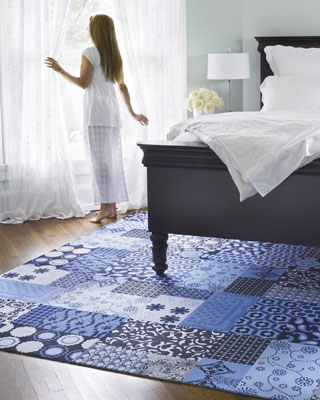
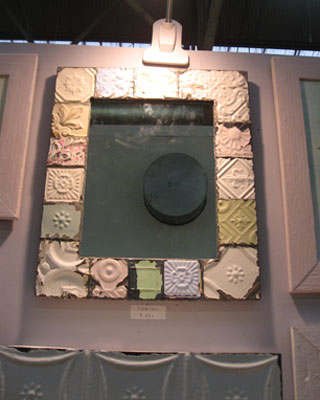
 When I think of patchwork, I think of my bedspread as a ten-year-old girl. I have plenty of fond memories of my elementary school years but my decorating sense is not one of them. I have since graduated from rag dolls and country quilts but the decor scene is looking to bring me back. The modern patchwork seems to be popping up in various forms and some of it is actually pretty great (I am in love with this Curio Glass Mirror from Fringe!).
 I have been bitten by the glassblowing bug.
  With only a brief safety rundown and demonstration, they had me gathering molten glass from a 2,075-degree kiln. This heat makes this the most intense art form. One, there is the danger-factor of burns, glass combustion and just the pure shock of heat exposure (my eyes teared, my nose ran and I am missing arm hair), but once you get over the fear of fatal injury, the real intensity comes from the unpredictability of hot glass. It is constantly morphing and a second too long in the glory hole or too few rotations or too sharp a tilt of the blowpipe, and your hot glass will lose whatever shape you were just working towards. As a first-timer I was, of course, a bumbling mess of near-disasters, but my instructor kept me at a certain pace to prevent them.
 Glassblowing is all about seamless flow and unwavering control. And when done well, the sequence of steps is as much of an art as the final product.